

Hair Changes in Menopause: Thinning, Hair Loss, and Excess Facial Hair Meta Description: Thinning hair? Chin hairs that weren’t there before? Learn why hair changes during menopause—and the solutions that can help.
⸻
Your Hair Is Changing—and You’re Not Imagining It
If your ponytail feels thinner or you’re spotting surprise hairs on your chin, you’re not alone. Hormonal shifts during midlife can cause both hair thinning and excess hair growth in new places.
These changes are common, but they can feel deeply personal. Understanding what’s happening (and what can help) is the first step.
⸻
Thinning Hair: What’s Causing It?
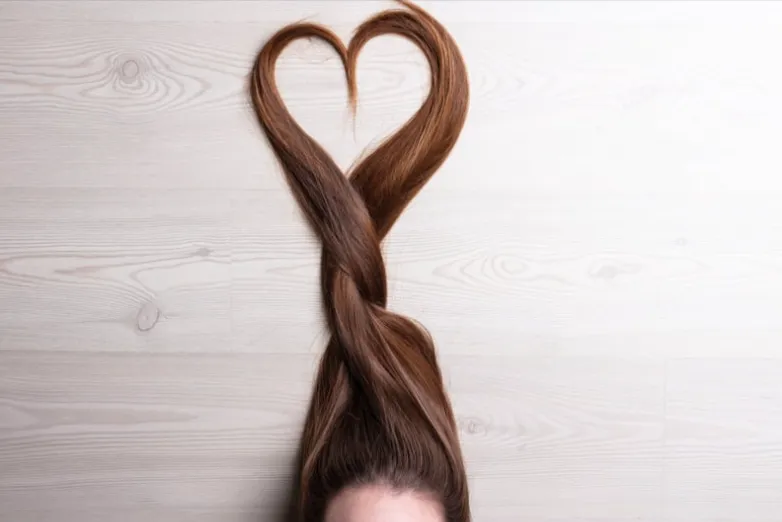
Many women experience thinning hair on the crown of the head in midlife. This is known as female pattern hair loss, and it’s often linked to:
• Genetics
• Hormonal fluctuations (especially lower estrogen)
• Stopping hormone therapy or contraceptives
• Stress
• Nutritional deficiencies (like low iron)
• Thyroid or chronic illness
• Certain medications or supplements
It typically starts with a widening of your hair part and can progress gradually.
⸻
Hair Loss and Self-Image
Hair is tied to identity and confidence. That’s why hair loss—especially when it’s sudden or noticeable—can have a real emotional impact.
If you’re feeling distressed, know this: there are ways to manage it, and you are not alone.
⸻
What Can Help With Hair Thinning?
• Healthy diet + multivitamins to support regrowth
• Topical minoxidil (applied daily): helps regrow hair but must be used long-term
• Low-dose oral minoxidil or spironolactone (prescription only)
• Seeing a dermatologist to pinpoint the cause and explore treatment options
⸻
Excess Facial Hair: The Other Surprise
Midlife may also bring hirsutism, or excess hair growth, particularly on:
• Chin
• Upper lip
• Cheeks
These areas have hair follicles that are especially sensitive to androgens (male hormones that women also produce in smaller amounts). Rogue chin hairs or peach fuzz are common and can be managed.
⸻
What Can Help With Hirsutism?
• Hair removal methods: waxing, plucking, shaving, bleaching, laser, electrolysis
• Medications: spironolactone or oral contraceptives (under medical supervision)
• Dermatology consult for severe or persistent cases
⸻
Menopause may change your hair—but it doesn’t change your power, your beauty, or your ability to feel confident in your own skin.