


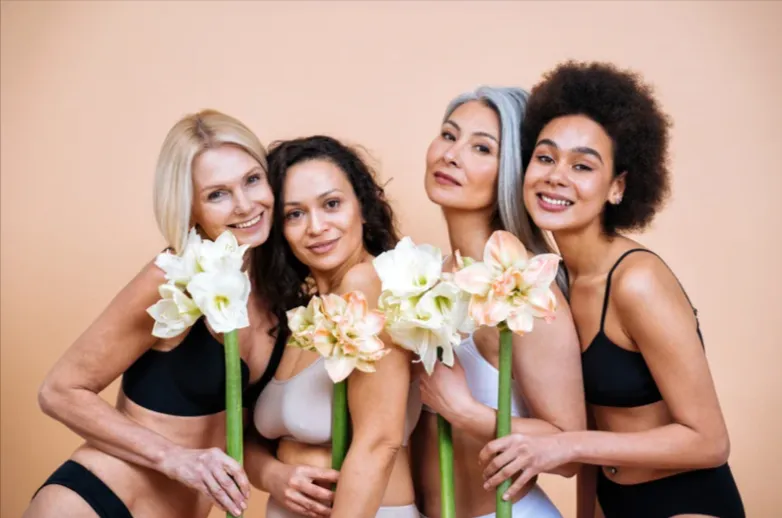
Skin Changes During Menopause: Dryness, Wrinkles, and What to Do
Meta Description: Menopause affects your skin more than you think. Learn what’s behind the changes, how to care for aging skin, and which habits and products actually help.
Your Skin Is Changing—Let’s Talk About It
Thinner, drier, less elastic. For many women, skin changes are among the most visible signs of menopause—and they can feel sudden and disheartening.
But behind the fine lines and dryness is a deeper story: one of hormonal shifts, lifestyle factors, and habits that truly make a difference.
What’s Going On With Your Skin?
As we age, our skin naturally produces less collagen and becomes thinner and less elastic. Estrogen plays a major role here, so the drop in hormone levels during menopause accelerates those changes.
The result?
• Wrinkles and sagging
• Dry or flaky skin
• Rough texture
• Brown spots or uneven tone
Aging skin is also more vulnerable to sun damage and skin cancer, which makes protection more important than ever.
The Big Culprits: Sun and Smoking
Two of the biggest accelerators of skin aging are completely preventable:
• UV exposure (from sun or tanning beds)
• Smoking
Long-term sun exposure breaks down collagen, causes discoloration, and increases your risk of skin cancer. And smoking? It speeds up wrinkles and reduces blood flow to the skin.
Everyday Habits That Support Your Skin
Caring for menopausal skin doesn’t have to be complicated. Try focusing on these habits:
• Wear broad-spectrum sunscreen (UVA + UVB) every day
• Reapply every 2–3 hours during outdoor activity
• Avoid sun between 11 a.m. and 3 p.m.
• Stay hydrated and eat a nutrient-rich diet
• Sleep well and reduce stress
• Use moisturizers with hyaluronic acid or ceramides
• Avoid tanning—even light tans are signs of skin damage
What About Treatments?
• Topical retinoids and hyaluronic acid can improve texture and hydration.
• Some dermatologists offer prescription creams or in-office procedures (lasers, peels, etc.).
• Systemic hormone therapy (HT) may help improve skin elasticity as a bonus effect, but it’s not prescribed solely for that purpose.
• Topical estrogen creams for cosmetic use are still under study—not yet a standard recommendation.
Always consult with a dermatologist if you’re unsure, noticing unusual skin changes, or have a mole that’s changing.
Your skin is evolving, not disappearing. With the right care, it can reflect your strength, beauty, and everything you’ve lived.